

Start your journey to personal sustainability, discover well-being strategies, and achieve balance and happiness now!
Blog
What do you want to explore today?

Building New Habits: What It Really Takes
Building a new habit takes more than motivation. As I approach 45 days of daily strength and cardio training, I’m discovering just how much commitment, planning, and support matter when making a lasting change. While the workouts still require effort, something is beginning to shift. What once felt like a daily struggle is slowly becoming part of my routine. In this article, I share what I’m learning about building sustainable habits, from finding a meaningful reason to start to creating accountability, embracing consistency over perfection, and giving ourselves the time and space to make change stick.
You Believe in Your Work. But Is It Supporting Your Well-Being?
Believing in your organization’s mission can make work meaningful, but it does not automatically make each working day fulfilling. Gallup research suggests that enjoyment, a sense of contribution, and meaningful choice are closely connected to overall well-being. This article invites mission-driven professionals to examine how their work feels in practice: which tasks energize them, whether they can see the impact of their contribution, and where they have a say in how work gets done. By reflecting on an ordinary week and identifying one realistic change, professionals can begin creating a healthier, more sustainable relationship with work they deeply care about.
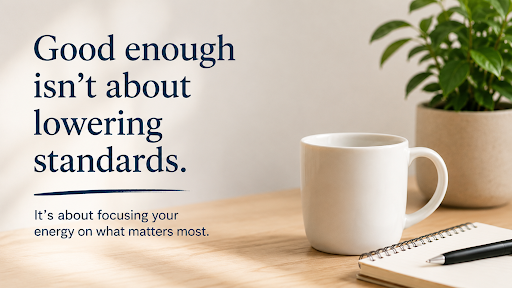
Why High Achievers Need to Get Better at “Good Enough”
High achievers often believe their high standards are the reason for their success. But striving for excellence is not the same as chasing perfection. Learning to recognize when work is good enough can reduce stress, protect your energy, and help you focus on what matters most. This article explores the difference between healthy ambition and perfectionistic concern, the hidden cost of endless polishing, and the value of deciding what a task truly requires before you begin. Discover how to preserve excellent standards while creating clearer finish lines and making more intentional choices about where your time and effort belong the most.
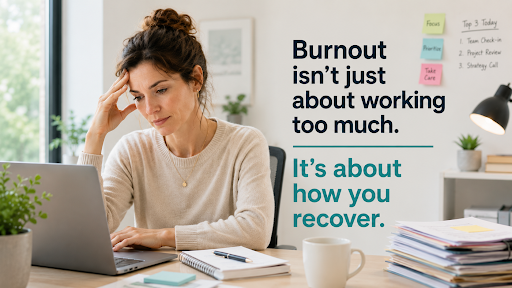
Burnout Isn't Just About Working Too Much. It's About How You Recover
Burnout isn't always caused by working too much. Sometimes it's about how we respond when stress begins to take its toll. As purpose-driven leaders, we naturally lean into our greatest strengths when we're overwhelmed. Executors work harder. Relationship builders care for others. Influencers seek renewed purpose. Strategic thinkers analyze every possibility. Those instincts aren't wrong, but they aren't always the fastest path to recovery. Research suggests that balancing our natural strengths with a different, less instinctive response can restore energy more effectively. The key isn't abandoning who you are. It's learning when a different approach can help you recover and lead sustainably.

Stop Chasing Passion. Start Building a Career Around Your Strengths.
Many professionals spend years chasing passion, believing it’s the key to career fulfillment. But passion alone isn’t always enough. True satisfaction comes from understanding and using your natural strengths every day. In this article, I share how discovering my CliftonStrengths transformed the way I think about work, success, and personal growth. Learn why strengths matter more than weaknesses, how they impact engagement and well-being, and why so many capable professionals still feel stuck or drained. Most importantly, discover practical ways to build a strengths-based career that feels more energizing, sustainable, and aligned with who you naturally are.
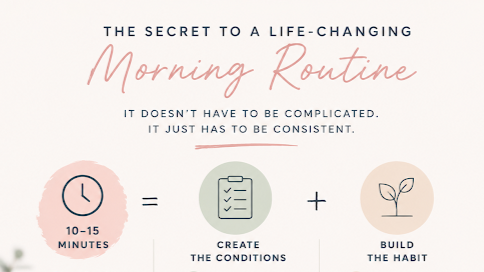
Why a Simple Morning Routine Can Change Your Entire Day
Many people begin the day responding to notifications, emails, and responsibilities before taking a moment to focus on themselves. This often creates a sense of stress and urgency before the day has properly started. A simple morning routine can help create greater focus, clarity, and balance. It does not require waking up earlier or following a complicated schedule. Even a few intentional minutes can improve productivity, reduce overwhelm, and support overall well-being. This article explores the benefits of a thoughtful morning routine and provides practical ideas to help you create a realistic approach that fits your lifestyle and daily commitments.
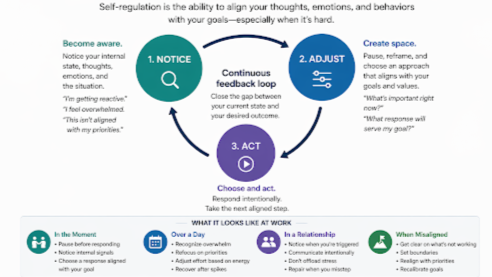
Stop “Holding It Together”: What Self-Regulation Actually Means
Self-regulation is not about suppressing emotions or simply “holding it together” at work. It is about navigating pressure without losing yourself.
In high-stress environments, many professionals push through, mask frustration, or disengage. While these responses may feel effective in the moment, they can drain energy, strain relationships, and reduce performance over time.
True self-regulation is an ongoing practice of aligning your thoughts, emotions, and actions with your goals, even when it is difficult. By noticing what is happening, making adjustments, and responding intentionally, you can improve how you work, lead, and handle challenges. Over time, these small shifts can transform your experience of work.
When Everything Feels Urgent at Work — 3 Shifts to Lead More Intentionally
Many leaders begin the week with good intentions, yet their days quickly disappear into emails, meetings, messages, and urgent requests. Over time, this creates a pattern of reactive leadership, where responding takes priority over thinking, planning, and moving important work forward.
Research shows that interruptions are among the most common workplace stressors, and it can take significant time to regain focus after being distracted. These repeated disruptions fragment attention and reduce meaningful progress. When everything feels urgent, leaders stop leading their work and start chasing it. Effective leadership requires managing attention, protecting focus, and intentionally prioritising the work that matters most.

How Tiny Values-Based Actions Help Us Feel More Grounded In Chaotic Times
We’re living in what researchers call a polycrisis—a convergence of economic, environmental, geopolitical, and social challenges that has left many people feeling overwhelmed and uncertain about the future.
While practices such as meditation and exercise can help manage stress, research suggests they may not be enough on their own. What often makes a meaningful difference is taking small, values-driven actions. Studies show that when people identify a value that matters deeply to them and take even one action aligned with it, their sense of well-being increases. These actions do not solve every problem, but they restore agency, direction, and a stronger sense of purpose during uncertain times.

A More Grounded, Intentional Way to Move Through the Holidays
The end of the year can feel especially heavy for those working in mission-driven, nonprofit, government, and public service roles. Ongoing pressure, limited resources, and uncertainty do not disappear with the holidays. Yet this season also offers something valuable: a chance to pause.
How you move through the next few weeks matters. Small, intentional choices—what you protect, release, and prioritise—can influence how you enter the new year. This is not about creating a perfect holiday or adding more to your to-do list. It is about finding simple ways to reduce stress, reconnect with what matters, and begin January feeling more grounded, rested, and clear-headed.

Recharge Your Brain: A Leadership and Purpose Practice That Changes Everything
Most of us organise our days around endless to-do lists, measuring productivity by how much we accomplish. But time is not our most valuable resource—energy is. When energy is depleted, even the best plans become harder to execute, leaving us feeling exhausted and disconnected from meaningful work.
What if we designed our days around energy instead of time? Just as the body needs recovery, the brain performs best with intentional periods of rest and renewal. Simple practices such as taking mindful breaks, connecting with positive people, and doing work that energises you can improve focus, creativity, and productivity. Managing energy is not a luxury—it is essential for sustainable performance and well-being.

What Is Flow at Work? Finding Purpose in Peak Performance
We’ve all had days when we complete every task on our list yet still feel unfulfilled. That’s because productivity does not always equal progress. True fulfilment comes from working in flow—a state of deep focus where we use our natural strengths and engage in work that feels meaningful.
Flow is not something you force; it is something you recognise. It appears in moments when time seems to disappear and your contribution feels both effortless and impactful. Whether your strengths lie in mentoring, strategy, or problem-solving, flow is where purpose and strengths intersect. Creating space for this work can lead to greater impact, effectiveness, and satisfaction.

How to Craft a Daily Well-Being Practice That Actually Sticks
Well-being is not a luxury—it is the foundation that helps you show up as your best self at work and at home. True balance comes from investing in small, intentional habits that support your mental and physical energy.
Start by choosing well-being practices that work for you: movement, rest, connection, learning, or laughter. Then make them stick by starting small, using cues and routines, and celebrating progress. Over time, these consistent choices shift your brain from reactive to resilient. Your well-being plan doesn’t have to look like anyone else’s. It’s yours to design—one small, meaningful habit at a time.

The New Workplace Imperative: Prioritizing Well-Being in an Uncertain World
Stress may be unavoidable, but we are not powerless. While we can’t control global uncertainty or workplace pressures, we can design lives and careers centered on well-being. True well-being goes beyond physical health—it includes emotional, social, financial, and community balance.
When you intentionally invest in your well-being, you build resilience and reclaim control. Even small shifts, like exercising, connecting with others, or setting boundaries, can strengthen multiple areas of life. The result is greater energy, engagement, and fulfillment. In a world where stress keeps rising, well-being isn’t a perk or luxury—it’s the foundation for thriving at work and beyond.

Creating Tiny Habits: How to Succeed with Mini-Habits
Big change begins with small steps. Mini-habits are tiny, manageable actions that help you build consistency without relying on willpower or motivation. Instead of forcing dramatic change, you work with your brain’s natural wiring, creating lasting progress through repetition and ease.
Start by choosing one simple habit, make it so small it feels effortless, and attach it to something you already do. Each small win builds momentum and rewires your brain for success. Over time, these micro-steps compound into meaningful transformation. The key to lasting change is not doing more, but doing small things consistently.

From Surviving to Thriving: How to Manage Your Energy, Not Your Tasks
Success is not about how much you do, but how well you manage your energy while doing it. Working longer hours does not guarantee better results. Just like a battery, your brain needs regular recharging to stay focused and creative.
By planning recharge periods, scheduling energy-boosting activities, and minimizing unnecessary drains, you move from burnout to balance. Managing energy helps you shift from your tired, reactive 1.0 self to your creative, focused 2.0 self. When you protect and renew your energy, you perform better, think clearer, and find greater fulfillment in both work and life.

Are You Struggling to Get Enough Done at Work? 8 Ways Work Smarter – Not Harder
Time is limited, but how you use it determines your success and well-being. Working longer hours does not guarantee productivity. In fact, studies show that focus, energy, and balance matter far more than time spent.
By prioritizing what truly drives results, reducing distractions, and scheduling breaks, you can reclaim valuable hours each day. Use those hours for what matters—family, health, or personal growth. Working smarter is not about doing more. It is about doing what matters most, with intention and energy, so your work fuels your life instead of consuming it.

The Truth About Work-Life Balance: Common Misconceptions and How to Overcome Them
Work-life balance is often misunderstood. Many believe it means splitting time evenly between work and home, but real balance is more about integration than separation. It begins with small, intentional steps that align your time and energy with what matters most.
True balance is personal and flexible. It changes as your life evolves and depends on honoring your values, setting boundaries, and caring for yourself. Balance is not achieved through perfection or rigid scheduling but through consistent, mindful choices. When you define balance on your own terms, you create a life that feels purposeful, calm, and sustainable.

Understanding and Addressing Burnout: It's Not Just About Overwork
Burnout is more than exhaustion. It is the feeling of being drained, disconnected, and unable to sustain motivation at work. While overwork and lack of support are common causes, one often overlooked factor is job fit. When your role does not align with your strengths, values, or interests, even success can feel depleting.
True engagement happens when your work draws on what energizes you. If burnout is creeping in, reflect on whether your current role truly fits you. Small changes, such as job crafting, can reignite purpose and energy, helping you rebuild fulfillment and balance at work.

How I Keep My true Priorities in Check
Building a meaningful life and career means distinguishing between what is urgent and what is truly important. For years, I balanced the pressures of work, family, and business while staying focused on priorities that bring me purpose—connection, learning, and growth. These are not urgent tasks, but they are what make life fulfilling.
Over time, I learned that small, consistent actions matter most. Each week, I make sure my true priorities are on my list. With clarity, boundaries, and intention, even the busiest life can align with what matters most. Progress may be gradual, but it always leads to fulfillment.