

Start your journey to personal sustainability, discover well-being strategies, and achieve balance and happiness now!
Blog
What do you want to explore today?

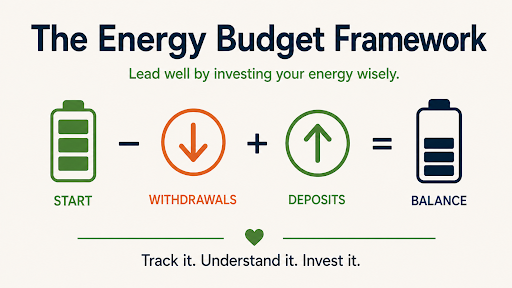
What If You Had an Energy Budget?
Most of us carefully budget our money, but how often do we stop to think about where our energy goes? For purpose-driven leaders, exhaustion often isn't caused by a lack of time—it's the result of investing energy without intention. The good news is that small shifts can make a significant difference. By becoming more aware of what energizes and drains you, you can lead more sustainably, make better decisions, and protect your wellbeing. In this week's blog, I share a simple framework for creating an "energy budget" and introduce a complimentary workbook to help you start managing your energy more intentionally.
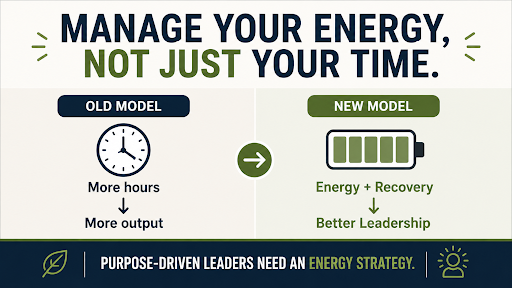
Why Purpose-Driven Leaders Need an Energy Strategy
Purpose-driven leaders often focus on managing their time, believing better productivity will solve overwhelm. But the real challenge may be managing energy instead. Every decision, meeting, interruption, and difficult conversation draws from a limited reserve, making it harder to bring your best thinking to the work that matters most.
Sustainable leadership isn't about pushing harder or working longer. It's about understanding your personal energy patterns, protecting your highest-energy hours, and intentionally building moments of recovery into each day.
When you learn to recharge as intentionally as you lead, you create the capacity to make a greater, lasting impact.
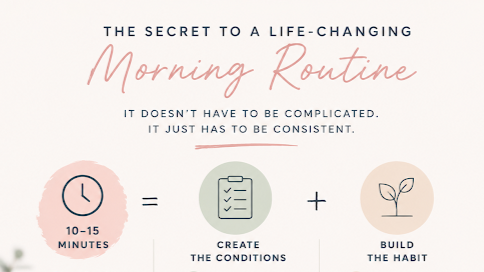
Why a Simple Morning Routine Can Change Your Entire Day
Many people begin the day responding to notifications, emails, and responsibilities before taking a moment to focus on themselves. This often creates a sense of stress and urgency before the day has properly started. A simple morning routine can help create greater focus, clarity, and balance. It does not require waking up earlier or following a complicated schedule. Even a few intentional minutes can improve productivity, reduce overwhelm, and support overall well-being. This article explores the benefits of a thoughtful morning routine and provides practical ideas to help you create a realistic approach that fits your lifestyle and daily commitments.

Why Smart Teams Still Get It Wrong: How fast thinking, hidden biases, and overconfidence quietly derail good decisions-and why pausing matters
Most of us like to believe we’re thoughtful decision-makers, yet much of what drives our behaviour happens on autopilot. Research suggests that up to 40–50% of our daily actions are habitual, including how we think, respond, and lead.
In fast-paced environments, we often rely on familiarity, assumptions, and quick judgments. While these patterns are efficient, they are not always effective. Drawing on Daniel Kahneman’s work, this article explores the difference between fast, automatic thinking and slower, more deliberate thinking. The challenge is not that we think too slowly, but that we rarely pause. Without that pause, important decisions can suffer.

How We Fail To Create New Habits — and What Works Better
Lasting change does not come from willpower or massive action—it comes from small, consistent steps. Many people believe transformation requires a grand overhaul, but research and experience tell us otherwise. Meaningful progress happens when you focus on being just one percent better each day.
Whether it is exercising for ten minutes, meditating for three, or carving out time for focused work, these small acts compound over time. You may not notice the difference right away, but the results are accumulating beneath the surface. Change is not instant; it is a steady unfolding built on persistence, patience, and aligned intention.